

Where Humanity Is Everything
Where Humanity Is Everything
-
Being young in today’s world can feel like carrying the weight of too much, too soon, friendships that bruise, families that fracture, a school that demands more than it gives, and a mind that won’t quiet when you need it to.
And still, so many young people walk through their days wearing a brave face, while underneath, they’re asking: Am I enough? Will anyone understand? Will this feeling ever go away? Why am I like this?
-
Alethos Therapies is a specialist, relationally driven service grounded in contemporary research on relational and trauma-informed practice. The service is tailored for:
young people in the community
parents and carers who feel out of their depth
schools and education settings looking for grounded, human, trauma-informed support.
Alethos PACE Mode: Why This Way of Working Actually Works
Young people don’t heal because adults talk at them.
They heal when someone slows down enough to meet their brain, their body and their story exactly where they are.Alethos Therapies is built around the PACE Model of practice -a therapeutic framework substantiated by attachment theory (Bowlby, 1988), interpersonal neurobiology (Siegel, 2012), and trauma-informed care (van der Kolk, 2014). This model is underpinned by the core principles of:
P – Patience / Playfulness
A – Acceptance / Asset-based
C - Curiosity /Creativity
E - Empathy / Embodied understandingThis is not merely a slogan; it reflects longstanding empirical findings and theoretical insights from developmental psychology and neuroscience:
Bodies carry trauma and stress even when words don’t come; as Bessel van der Kolk put it, “the body keeps the score”.
The developing brain needs safe, attuned relationships to grow; Dan Siegel calls this “interpersonal neurobiology” and shows how connection shapes neural wiring.
Young people impacted by adversity benefit significantly from environments characterised by PACE (Playfulness, Acceptance, Curiosity, and Empathy), which are central to Dan Hughes’ Dyadic Developmental Psychotherapy (DDP). Such conditions foster psychological safety and facilitate the rebuilding of trust (Hughes, 2017).
Alethos Therapies brings all of this together and evolves it into a living practice with young people today.
“The Young Person’s Way” – Not Ours
At Alethos, I start from one non-negotiable truth:
There is no one-size-fits-all therapy for young people.
There is only this young person, on this day, in this body, with this history.So instead of forcing them into a rigid “model”, Alethos PACE Model means:
P – Patience & Playfulness
Patience with the nervous system: Effective therapeutic work with young people requires attuning to their window of tolerance rather than the pace of an adult-driven agenda. When the nervous system is in a state of fight, flight, or freeze, cognitive insight is neurologically unavailable, so the work begins with safety, co-regulation, and grounding (Siegel, 2012; van der Kolk, 2014).
Playfulness: Playfulness, as described by Dan Hughes (2017), is a therapeutic stance marked by lightness and gentle humour. It helps create emotional safety, lowers anxiety, and supports trust-building (Hughes, 2017; Siegel, 2012). Rather than trivialising problems, playfulness co-creates moments of connection that foster resilience and activate the brain’s social engagement systems (Porges, 2011).
A – Acceptance & Asset-Based
Acceptance -as a core PACE principle, communicates unconditional positive regard for the young person’s inner world. No thought, urge, identity, expression of anger, or experience of shame will be judged, minimised, or rejected. Every part of their experience is welcomed, not because it is without pain, but because the therapeutic relationship can hold it (Hughes, 2017; Rogers, 1957).
Asset-based: This approach centres on identifying and amplifying each young person’s unique strengths, skills, and resources as foundations for recovery and growth. Research highlights that an asset-based perspective promotes resilience and self-efficacy, empowering young people to recognise their capacities and draw upon them during times of adversity (Zimmerman, 2013; Ungar, 2019). Rather than focusing solely on problems, the therapeutic process helps young people discover and build on what is already working well in their lives.
C – Curiosity, Creativity, Confidentiality
Curiosity - I hold a genuinely curious, non-pathologising stance, seeking to understand each young person’s lived experience from within their frame of reference. I stay with questions like “What’s your story?” and “What happened to you?” rather than “What’s wrong with you?”- inviting sharing without judgement, strengthening safety and trust, and treating difficulties as meaningful responses rather than deficits (Hughes, 2017; Sweeney et al., 2018).
Creativity: Creative modalities, including drawing, imagery, metaphor, music, free-writing, movement, and sensory objects, are not supplementary tools but core therapeutic pathways. Trauma and emotional experience are frequently encoded in subcortical, pre-verbal structures; creative expression provides a bridge between somatic experience and conscious meaning-making (Malchiodi, 2011; van der Kolk, 2014). The brain and body speak in sensation and symbol long before they speak in sentences.
Confidentiality: A trauma-informed approach to confidentiality recognises that clarity and predictability are themselves therapeutic. Young people are fully informed of the boundaries of privacy,what is held within the relationship, and the specific circumstances under which concerns must be shared to ensure their safety or the safety of others. This transparency reinforces trust and supports a felt sense of security within the therapeutic frame (Sweeney et al., 2018).
E – Empathy & Embodiment
Empathy: not “I know how you feel” – but “I’m here, I’m listening, and I’m willing to feel with you without trying to fix or rush you.”
Embodiment: Therapeutic attention is given to how emotional experience manifests somatically - tension, numbness, a racing heart, dissociation, or shutdown. Drawing on principles of somatic awareness and interoception, young people are supported in developing a language for bodily states as a foundation for emotional regulation (Ogden & Fisher, 2015; van der Kolk, 2014). When the body is finally believed, it can begin to settle.
Brain-Wise, Trauma-Informed, Developmentally Attuned
Alethos Therapies doesn’t just sound trauma-informed. It is.
Brain-wise - grounded in developmental psychology and contemporary neuroscience, recognising that chronic stress, attachment disruptions, and adverse childhood experiences have profound effects on neurodevelopment, learning, emotional regulation, sleep, attention, and mood (Shonkoff et al., 2012; Gunnar & Quevedo, 2007).
Trauma-informed - drawing on extensive work with young people experiencing self-harm, loss, neglect, and adversity. Consistent with trauma-informed principles (NHS England, SAMHSA, 2014), safety and autonomy are at the heart of my work, shaping all aspects of the therapeutic process: from the environment I create to the manner in which questions are posed and how sessions are brought to a close.
Developmentally attuned—recognising that effective therapy must be responsive to developmental stage, not merely chronological age. Interventions, language, metaphors, and expectations are tailored to the young person’s unique neurodevelopmental profile in accordance with best practice in child and adolescent psychotherapy (Midgley & Vrouva, 2012).
This is not therapy done to young people.
It is therapy done with them, in real time, in real relationship.Why This Approach Is So Effective for Young People
There are no magic guarantees in mental health – and anyone who promises a cure is not being honest.
What Alethos Therapies can promise is this:
Everything I do is aligned with what research and lived experience say actually helps young people – safety, attuned relationships, voice, choice, creativity, and a belief in their capacity to grow.
The work is designed around the way young people’s brains and bodies develop, not around adult convenience.
I maintain a steadfast commitment to authentic, young-person-focused engagement. I prioritise clear, accessible communication over unnecessary jargon or procedural formalities. I avoid pathologising normal adaptive responses to adverse or overwhelming experiences - recognising that such experiences, when not integrated, can disrupt normative developmental processes and shift young people from growth-oriented trajectories toward survival-based adaptations.
A growing body of research demonstrates that trauma-informed, relationally driven therapeutic methods are associated with:
Reduce shame and isolation.
Improve emotional regulation and self-understanding.
Strengthen secure, trusting relationships.
Support healthier choices and safer coping.
Help young people feel more anchored in who they are and where they are going.
Who Alethos PACE Model Is For
Young people (9–18) who are:
overwhelmed by anxiety, low mood, anger or numbness
self-harming or struggling with suicidal thoughts
navigating grief, family breakdown, bullying or school pressure
exploring identity, neurodivergence or feeling like they don’t fit anywhere
Parents & carers who are:
exhausted by conflict, shutdown or distance with their child
scared of “getting it wrong” and desperate to support better
needing a space to make sense of what is happening at home
Schools & colleges that are:
noticing more emotional dysregulation, self-harm and relational ruptures
wanting psychologically informed guidance, consultation and tailored support
ready to build a culture where staff and students feel safer, seen and heard.
-
What you can expect
A safe space to talk (or not) - Some days you’ll want to pour your heart out. Some days you won’t. Both are welcome.
A therapist who listens, not lectures - I won’t tell you who to be, how to be or what to do. I’ll help you understand who you already are.
Creative, flexible ways to express what hurts - Sometimes words just to come out. So we might use art, music, stories, metaphors, grounding tools - whatever feels right for you.
Honest conversations about what you need - If something isn’t working, we adapt together.You are the expert on you.
-
Being young in today’s world can feel overwhelming. Sometimes the hardest part is finding a safe space to say what hurts.
At Alethos Therapies, I offer support with a wide range of challenges young people face, always in ways that are flexible, creative, and led by your needs.
Emotional Wellbeing and Resilience
Anxiety, worry, panic, and overthinking
Low mood, sadness, or depression
Stress and feeling overwhelmed by life or school
Anger and difficulties managing big emotions
Grief, loss, and bereavement
Shame, guilt, or feelings of “not being enough”
Traumatic experiences, whether recent, ongoing, or from childhood
Identity and Belonging
Low self-esteem and confidence struggles
Questions around identity, gender, and sexuality
Living as neurodivergent (Autism, ADHD, Dyslexia, etc.) and finding safe ways to cope and thrive
Cultural identity, belonging, or faith-related struggles
Friendships, bullying, and social exclusion
Body image concerns and self-criticism
Coping and Behaviour
Self-harm or thoughts of not wanting to be here
Risk-taking behaviours (substance use, unsafe choices)
Eating struggles or disordered patterns
Avoidance, school refusal, or withdrawal from activities
Perfectionism and pressure to always “get it right”
Sleep difficulties and self-care struggles
Family and Relationships
Family conflict, separation, or loss
Living with domestic abuse or parental substance use
Attachment disruptions (e.g. foster care, adoption, being looked after)
Sibling difficulties or loss
Young carers and those taking on adult responsibilities
School, Transitions, and Social Pressures
Exam stress and academic pressure
Moving schools, college, or university
Attention, concentration, or learning challenges
Online and social media pressures (comparison, cyberbullying, exploitation)
Navigating independence and responsibility
Wider Life Stressors
Poverty and disadvantage
Racism, discrimination, or systemic injustice
Community violence or unsafe environments
Climate anxiety and worries about the future
-
I am passionate about creating an inclusive space where young people feel they don’t have to hide parts of themselves to be accepted.
Whether you are neurodivergent, LGBTQ+, or navigating life on the edges of systems that don’t always make room for you, Alethos Therapies is a place for you to exist fully.
This is your space
To speak the things that hurt.
To name the feelings you’ve never spoken aloud.
To fall apart and know that you will not be judged for your mess.
To discover, or rediscover, the parts of you that are stronger than you knew.
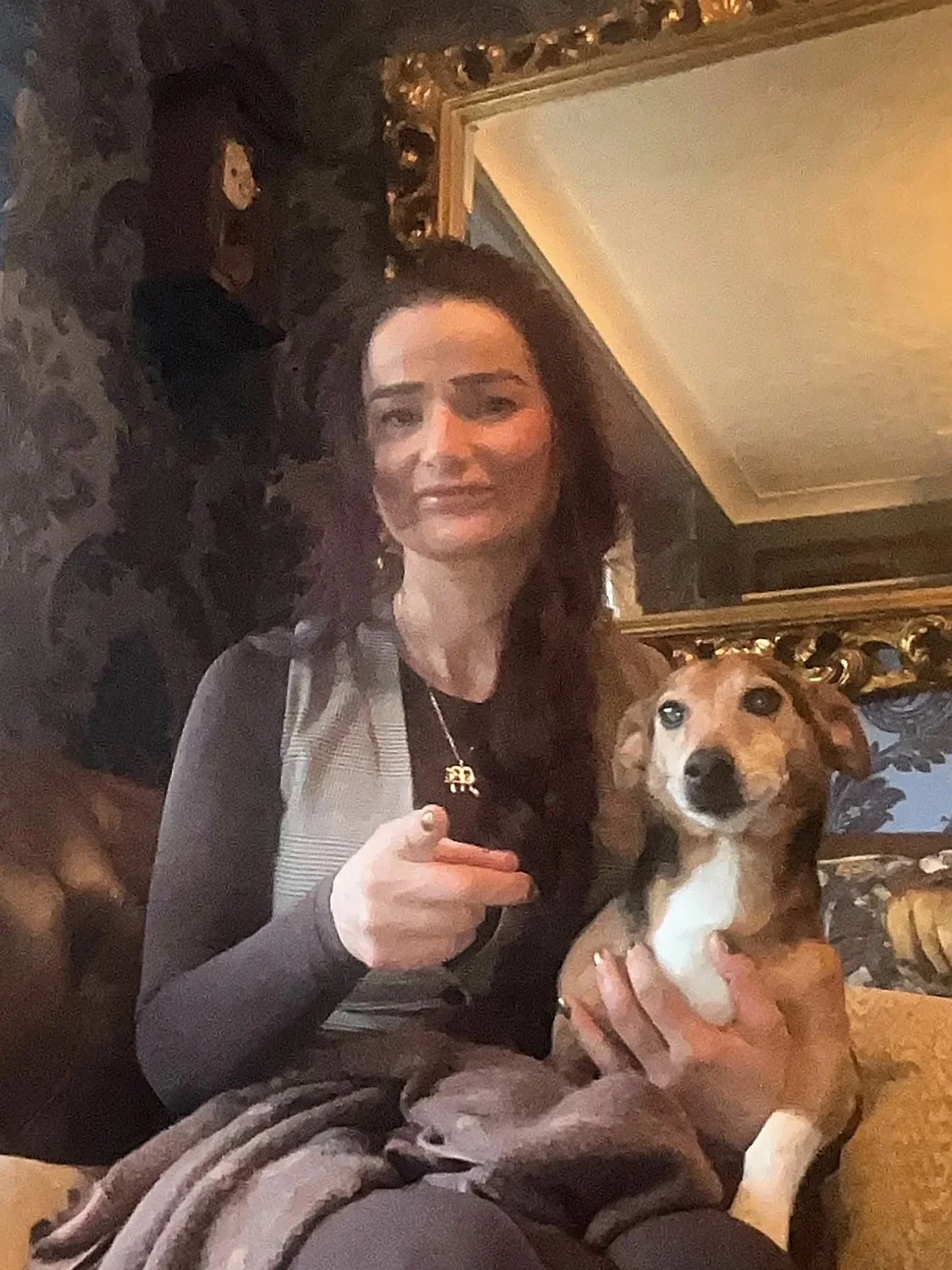
“A young person’s strength grows not from being told who to be, but from being accepted as they are.”